Benefits of Hiring Muldrow Roofer for Roof Repairs
Benefits of Hiring Muldrow Roofer for Roof Repairs
Blog Article
Trustworthy Roofing Contractor Services for Resilient and Dependable Roof Services
A reputable roofer serves as an essential part in ensuring the longevity and reliability of a home's roofing system. Homeowners must consider multiple elements when selecting a roof specialist. From understanding roof types to evaluating roofing professionals' qualifications, each aspect contributes to a effective project. Yet, many homeowners stay uncertain about where to begin. Finding the correct strategy can greatly affect both appearance and financial security. What steps should one follow to navigate this intricate process?
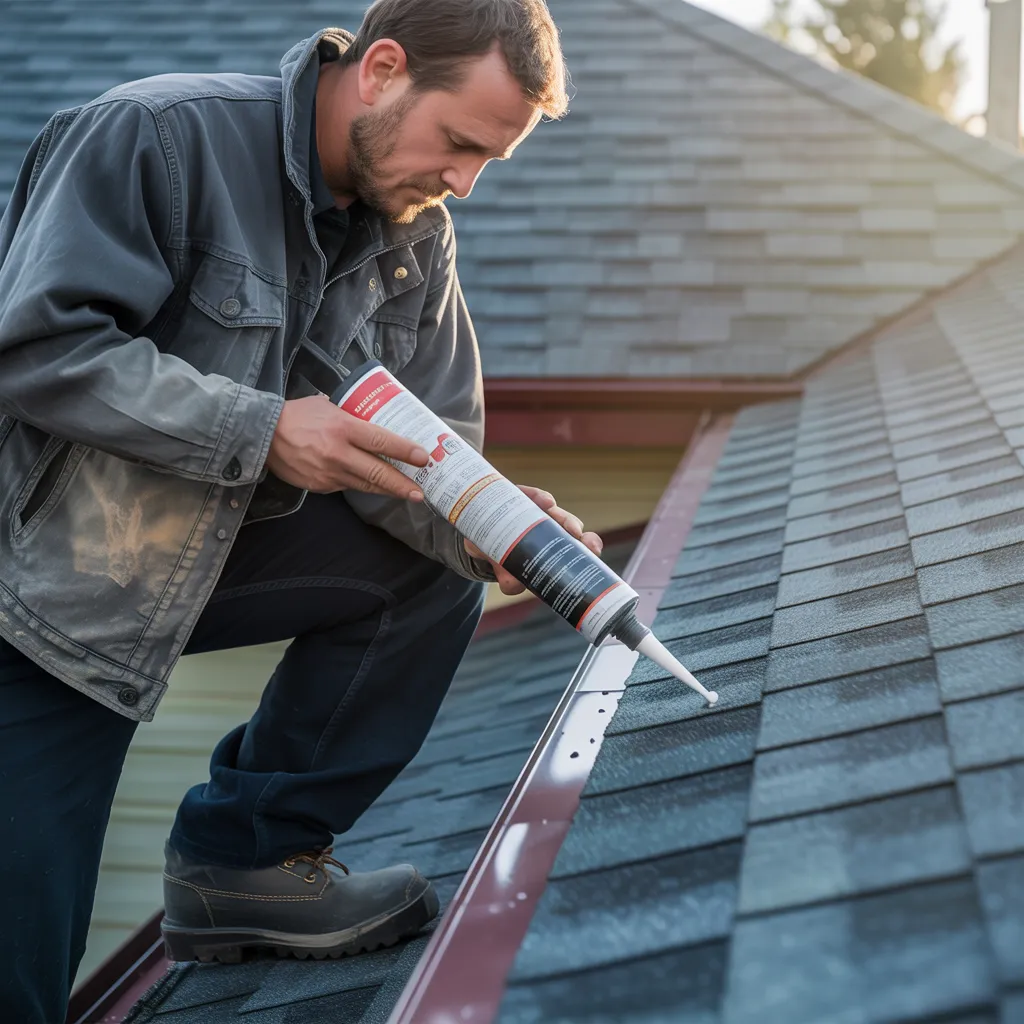
Aspects to Review When Picking a Dependable Roofer
When choosing a trusted roofer, what important qualities should one prioritize? First, expertise plays a significant role; an established roofer with extensive background shows skill and dependability. It's important to verify their licensing and insurance, as this protects homeowners from potential risks. Moreover, a established roofer should provide guarantees on both materials and workmanship, demonstrating assurance in their services.
One more noteworthy consideration is communication. A trusted roofer should be quick to respond and clear, providing complete price quotes and timelines. Reviews and references from previous clients can deliver knowledge into their trustworthiness and quality of performance. In addition, understanding local building requirements and legal requirements is necessary, as compliance guarantees safety and legal compliance. Finally, a strong dedication to using high-grade materials indicates a roofer's pledge to permanent achievements. By prioritizing these key features, homeowners can make educated decisions when appointing a roofing professional.
Which Roof Solutions Suit for Your Needs?
Picking the ideal roofing solution can be an intimidating challenge, as numerous options and styles fulfill varying requirements and desires. Property owners should examine considerations like weather patterns, spending limit, and design aesthetics when determining a roofing system. Asphalt shingles are preferred because of their low cost and uncomplicated setup, making them ideal for numerous residential buildings. Steel roof solutions, recognized for its strength and thermal efficiency, appeals to people desiring longevity.
For those seeking a timeless style, wood shakes or tiles offer natural beauty but may require more maintenance. Slate and clay tiles provide exceptional longevity and are well-suited for upscale homes, although they can be more expensive.
In the end, the ideal roofing choice relies on unique conditions, including local building codes and personal preferences. Meeting with a reputable roofer can enable homeowners consider these options, making sure they opt for a roofing option that satisfies their specific needs while increasing the overall appreciation of their property.
The Value of Superior Roofing Materials
Picking the right roofing option is only the commencement; the standard of roof materials plays a significant role in the overall performance and lifespan of a roof. Superior materials, such as asphalt shingles, metal, or slate, provide enhanced durability and resistance to environmental factors. They can resist extreme weather conditions, reducing the occurrence of repairs and replacements.
Investing in high-quality materials can produce increased energy efficiency, as they often feature superior insulation properties. This not only contributes to comfort within the home but can also decrease energy bills over time. Additionally, superior materials typically come with extended warranties, offering homeowners reassurance regarding their investment. Picking quality roofing materials ultimately guarantees that a roof remains operational and aesthetically pleasing for years, protecting the property's value. Therefore, understanding the significance of material selection is vital for anyone considering a roofing project.
Reviewing Your Roofing Contractor's Qualifications
A thorough inspection of a roofing contractor's qualifications is necessary for ensuring a outstanding roofing project. Homeowners should begin by verifying licenses and insurance to secure themselves from liability in case of accidents. Checking for industry certifications can also indicate a contractor's focus to quality and ongoing education in roofing techniques and materials.
In turn, assessing former projects and customer testimonials provides insight into the contractor's quality of work and reliability. It is advisable to ask for references and to follow up with prior clients about their satisfaction. Additionally, grasping the contractor's warranty guidelines can shed light on their confidence in their work and the materials used.
Ultimately, evaluating the contractor's experience in the specific type of roofing required can further help homeowners in reaching an informed decision. By carefully reviewing these credentials, homeowners can pick a trustworthy contractor and guarantee a durable roofing solution.
How to Budget for Your Roof Replacement
Creating a financial plan for a roofing project requires thoughtful consideration and evaluation of various factors that influence overall costs. Homeowners should begin by evaluating the type of roofing materials desired, as prices can vary greatly between asphalt shingles, metal roofs, and tiles. Labor costs also play an crucial role; obtaining multiple quotes from licensed contractors can help guarantee competitive pricing.
Additionally, it is vital to account for potential unforeseen costs, such as repairs to underlying structures or the need for permits. A reserve allocation of approximately 10-20% of the total budget is advisable to cover these unforeseen costs. Residents should also evaluate the timing of their work, as seasonal changes can influence worker availability and material costs. By carefully estimating these aspects, individuals can establish a achievable budget that provides for both necessary expenses and any supplementary improvements they may wish to include in their roof work.
Consistent audits Are indispensable
Regular checkups are essential in prolonging the durability of a new roof. Conducting these evaluations at least twice a year helps identify potential issues before they develop. Experienced specialists can assess the roof's condition, examining for signs of wear, tear, or damage caused by environmental factors. Additionally, inspecting gutters and downspouts maintains proper drainage, which is crucial for preventing water accumulation. Homeowners should also consider seasonal inspections, especially after severe weather events. By undertaking regular inspections, property owners can preserve their roofs efficiently, making learn more sure they remain durable and reliable over time. This proactive approach not only extends the roof's longevity but also protects the overall integrity of the home.
Expedient Repairs Eliminate Damage
After conducting routine inspections, managing necessary repairs quickly is vital to maintain a new roof's integrity. Roofs experience wear due to various environmental factors, and even slight issues can escalate into major damage if ignored. Quick repairs can prevent leaks, mold growth, and structural deterioration, thus extending the roof's life. Homeowners should make fixing loose shingles, damaged flashing, or clogged gutters immediately after spotting them. Furthermore, seasonal weather changes may worsen existing problems, making swift action more essential. By making sure repairs are done promptly, homeowners both protect their investment and enhance the overall safety and comfort of their homes. Routine maintenance and quick response are key to a effective roofing solution.
Frequently Asked Questions
What Duration Does a Standard Roofing Project Require to Complete?
A common roof job typically needs between one to three weeks to finish. Factors influencing the timeframe consist of the project's magnitude, weather patterns, and the difficulty of the roof system being installed or repaired.
What Guarantees Do Roofing Projects Offer?
Various warranties are offered for roof work, such as material warranties, workmanship warranties, and extended coverage options. These warranties typically range from five to twenty years, based on the materials and contractor agreements involved in the project.
Is It feasible to stay in My Home During Roof Installation?
Property owners can frequently stay in their homes during roof installation, but it relies on the magnitude of the project and acoustic levels. Contractors usually counsel on safety and comfort, advising temporary relocation if necessary.
In What Ways Do Weather Conditions Affect Roofing Jobs?
Conditions greatly impact roofing work; rain can cause delays and safety hazards, while extreme heat may impact materials. Wind can hinder installation, requiring careful consideration to guarantee quality and safety during the process.
What Would I Do if I Locate Water Loss After Assembly?
After identifying leaks upon installation, the homeowner should promptly contact the roofing contractor for an assessment. Capturing the issue with photos and notes can contribute to fixing the problem promptly and warrant proper repairs.
Report this page